Guides
The catering products that earn the highest margin
Rank catering products by contribution per crew hour. Shrimp cocktail, carving stations and add-ons top the list because they sell the hours you already pay for.
What to take away
- Shrimp cocktail, carving stations, passed hors d'oeuvres, plated beef tenderloin and dessert add-ons rank highest because they sell labor hours you already pay for.
- Drop-off deli platters and pasta bars rank lowest on peak dates: thin contribution and a full day of crew time.
- Rank by contribution per crew hour, not by margin percentage. A 70 percent margin on a small event can still lose you the date.
- Add-ons rank high because the kitchen and crew are already paid for when they sell.
- Run the arithmetic on last year's invoices, not on a hypothetical menu.
The products that actually rank highest
Ranked by contribution per crew hour on a peak Saturday, these are the formats that come out on top for most operators. Your crew cost and drive times will move the order.
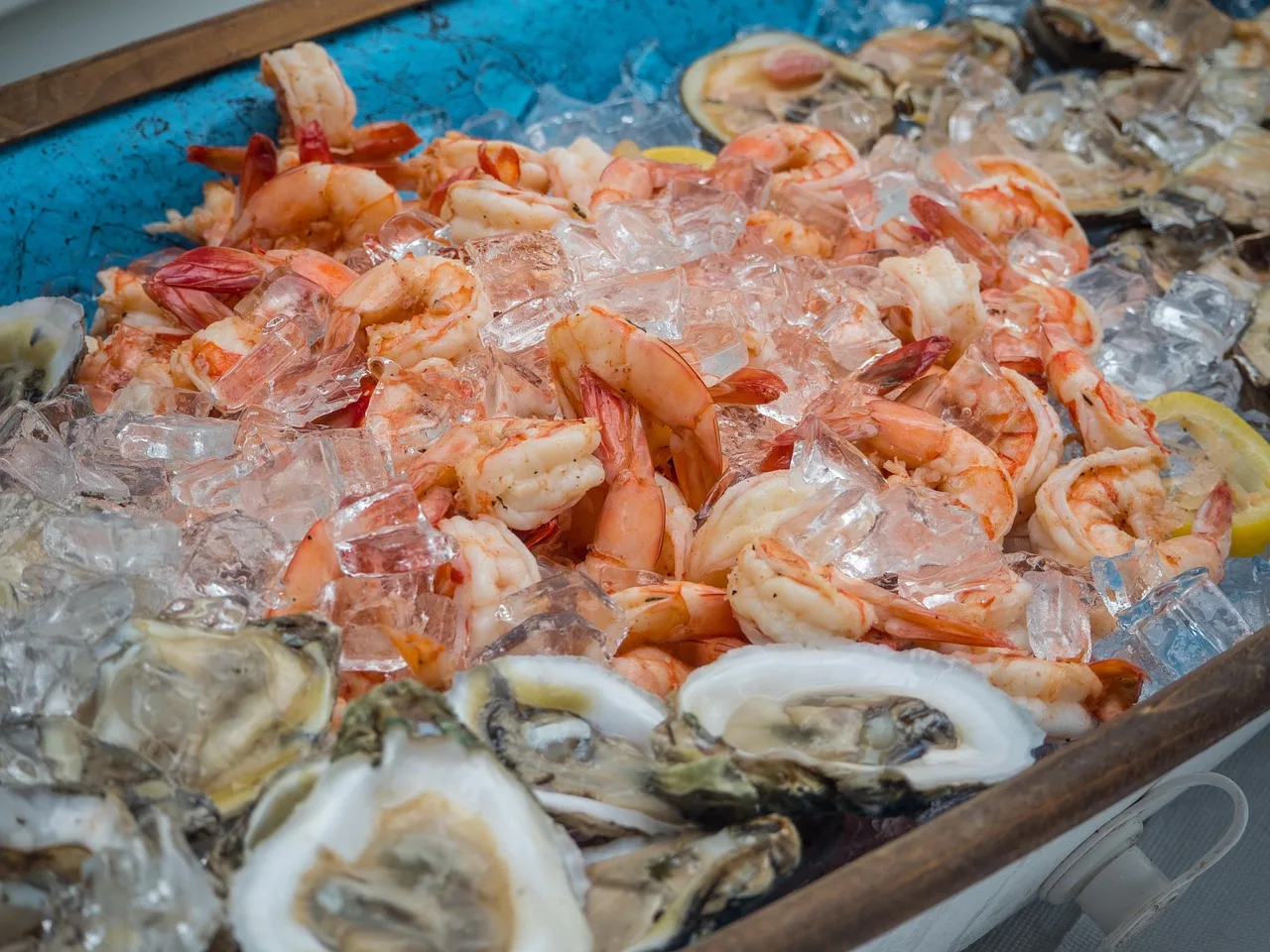
- Shrimp cocktail and chilled seafood displays.High ingredient cost, near-zero cooking labor, and a price point guests accept without comparison. They hold on ice for hours, so one attendant can run a station that serves 150.
- Carving stations.A whole tenderloin or prime rib sold by the slice carries a premium price and one skilled carver. The meat cost is real, but the crew hour per guest is the lowest of any hot station.
- Passed hors d'oeuvres.Bite-size items at a per-piece price. The kitchen labor is front-loaded and the service is one server per 25 to 30 guests, so the crew hour per dollar is strong.
- Plated beef tenderloin or filet.The highest plate price on most menus. It needs a full service crew, so it only ranks well when the price gap covers those hours.
- Dessert and coffee add-ons.Sold onto an event that already has a crew on site. Almost no additional labor hour, which is why they rank near the top.
- Bar packages.If you hold the license, a hosted bar carries a strong per-guest price against the hours of one bartender.
At the bottom on peak dates: drop-off deli platters, pasta bars and taco bars. They price low, and a staffed version consumes the same crew hours as a plated dinner.
Why margin percentage misleads
A 70 percent margin on a 40-guest lunch looks better than a 45 percent margin on a 300-guest gala. It is not. The gala covers fixed cost, and the lunch may not.
Contribution is what is left after ingredients, packaging, rentals and transport come out of revenue, less labor hours times your loaded hourly cost. Divide that by the crew hours the format consumes. Midweek, when crew is free, contribution alone ranks formats fine. On a peak Saturday, crew is the constraint, so rank on contribution per crew hour.
The arithmetic, in your own numbers
Take these from one real event, per format:
- R, revenue invoiced at the guaranteed count.
- F, ingredients at the price you paid this month.
- P, packaging and disposables.
- K, rentals, including cleaning and damage charges.
- T, transportfuel, tolls and the driver's paid hours.
- H, total labor hours, production and service together.
- w, your loaded cost per labor hour.
Contribution is C = R minus F, P, K and T, less H times w. Fixed costs sit under C. Then V = C divided by the peak-crew hours the format consumes. Sort by V, not by C and not by margin percentage.
The crew hours behind each service level are where most of the ranking difference lives.
Two comparisons that change decisions
Run the same food up the service ladder. A drop-off buffet and a staffed buffet share ingredients and packaging. The staffed version adds rentals, service hours, teardown and travel for several people. Whether it earns more depends on whether the price gap covers those hours at w. Many operators find it does not.
Drop-off vs Staffed Buffet
Drop-off buffet
- Ingredients
- same
- Packaging
- same
- Rentals
- none
- Service hours
- none
- Teardown
- none
- Travel for crew
- one driver
Staffed buffet
- Ingredients
- same
- Packaging
- same
- Rentals
- added
- Service hours
- added
- Teardown
- added
- Travel for crew
- several people
Then set a small plated dinner against a large drop-off order. The plated dinner shows the better margin percentage and consumes the whole date. The drop-off shows a thinner percentage and leaves the crew free for a second job. Rank on V and the answer stops depending on which number you happened to look at.
Where the ranking goes wrong
- Waste is missing. Open replenishment runs higher food cost than the recipe suggests, and pans that come back full are the evidence.
- The tasting is missing. Wedding work carries real cost before any sale.
- Rentals are counted at the quote, not at the invoice with cleaning and breakage on it.
- Travel is counted as fuel rather than as paid hours, which is the larger number.
What a format also has to clear
A high V does not make a format sellable. Alcohol service, cooking on site and temporary outdoor setups each need permission from a different body. Those come from the permissions each format needs, not from your spreadsheet.
Handling and holding expectations trace back to the model retail food code as adopted by your jurisdiction. Where a format involves packaged items with labels, the FDA guidance on food allergens explains the federal picture.
Whatever you then claim in a menu or a photograph has to be supportable under the FTC advertising guidance for small business.
Using the result
Run the calculation on last year's events, not on hypotheticals, and sort by V. Promote the top formats. Reprice the middle using how a package is put together. Pull the bottom off peak dates while keeping them midweek. What survives the sort is what to build capacity around, covered in which formats scale and which do not.
Common questions
Which catering product is usually best?
There is no usually. Two caterers in one city get opposite answers from the same calculation, because their crew costs and drive times differ. Shrimp cocktail and carving stations top the list often, but check your own numbers.
How often should I rerun this?
Once a season, and after any change in what you pay for labor or rentals. Both move the ranking faster than food prices do.
Do add-ons really rank that high?
Often, because they consume almost no additional crew hours. A dessert table sold onto an event that already has a crew on site is nearly pure contribution. Check it with your own numbers rather than assuming it.
Should I drop my lowest-ranked product?
Not automatically. A weak format that fills otherwise empty midweek dates still covers fixed cost. Drop it from peak dates first.