Guides
Licensing and compliance steps a caterer must clear before opening
Owners researching 'catering licensing requirements' need more than a generic checklist. They need to separate food safety, event readiness, service, and customer.
What to take away
- Licensing and compliance steps a caterer must clear before opening start with a general business license, a retail food establishment license, and a food protection manager certificate. Local names vary.
- If alcohol is served, add a state ABC liquor license or a single-event caterer's permit. Fire and building approvals cover hoods, exits, and occupancy.
- Other common filingsfood handler cards, seller's permit, workers' compensation insurance, certificate of occupancy, and a mobile food unit permit.
- Identify the authorities for the business, facility, and food establishment. Add home production, manufacturing, and wholesale. Include labeling, tax, and fire. Cover accessibility, employment, and waste.
- Confirm whether each activity is retail food service, a retail food store, manufacturing, wholesale, or catering. Also check mobile vending, home production, and another regulated model.
- Use local rules for approved sources, receiving, storage, employee health, and hygiene. Add time and temperature, contamination prevention, cleaning, pests, and corrective action.
- Verify ingredient statements, subingredients, major allergens, and supplier changes. Check cross-contact controls, package labels, written notifications, and nutrition duties. Add claims and responsible review.
- Address mixers, slicers, ovens, hot boxes, and burners. Cover knives, electricity, vehicles, lifting, and cleaning. Add guarding and lockout. Include slips, repetitive work, and emergency response.
This article provides general catering business information. It is not individualized food-safety, allergen, alcohol-service, licensing, tax, insurance, or legal advice.
Requirements depend on the jurisdiction, approved kitchen, and menu. They also depend on the process, vehicle, and venue. They turn on service format, workforce, and customer agreement. Confirm current rules with the responsible authorities and qualified advisers before acting.
Owners researching catering licensing requirements need more than a generic checklist. They need to separate food safety, event readiness, service, and customer goals from operating assumptions.
Strong plans write down the assumptions behind each choice. They also record who owns a decision, what evidence supports it, which measure shows whether it works, and when the team reviews it.
Licenses and permits a caterer must clear before opening
License names change by state, county, and city. The list below uses common U.S. names. As of 2026, typical fees are ranges, not quotes. Check the exact form with the health department, city or county licensing office, state ABC board, fire marshal, and state revenue department.
Catering Licenses and Permits
- General business license$50–$500 annually
- Retail food establishment license$100–$1,000
- Food protection manager certificationexam $30–$50
- Food handler cards$10–$20 online
- Liquor license or caterer's permit$100–$1,000
- General business license. Issued by the city, county, or state licensing office. Annual fee typically $50 to $500, depending on location and gross receipts. Some cities call it a business tax receipt.
- Retail food establishment license or food service license. Issued by the state or local health department. It covers the kitchen, commissary, or catering facility. Annual fee typically $100 to $1,000, and some large jurisdictions charge more. Expect a pre-opening inspection.
- Food protection manager certification. Many states require at least one certified manager on duty during food operations. ServSafe, National Registry of Food Safety Professionals, and Prometric offer approved exams. Exam fee typically $30 to $50. Course plus exam typically $150 to $250.
- Food handler cards. Many local health departments require each food worker to hold a card. Online courses typically cost $10 to $20. Renewal periods vary, often two to three years.
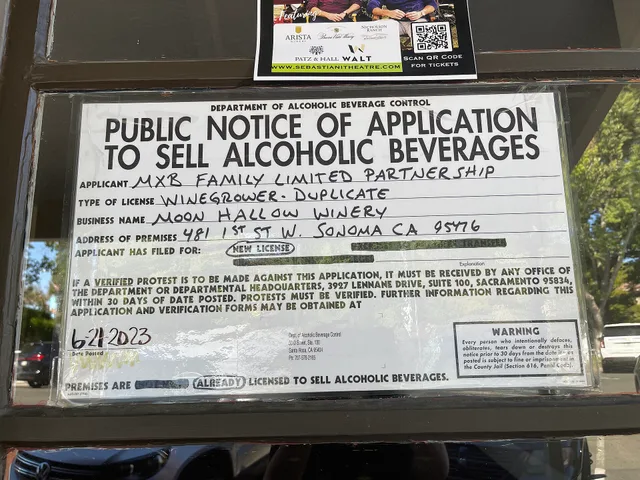
- Liquor license or caterer's permit. State Alcoholic Beverage Control boards issue these. A beer and wine license may run $100 to $1,000 annually. A full liquor license can run $1,000 to $10,000 or more. Single-event catering permits often cost $10 to $100.
- Fire certificate or fire marshal inspection. The local fire department checks cooking hoods, extinguishers, exits, and occupancy. Certificate fees often run $50 to $200. Hood suppression inspection typically costs $100 to $300.
- Certificate of occupancy or zoning permit. Issued by the city or county planning or building department. It confirms the space can be used for food service. Fees typically run $100 to $500.
- Seller's permit or sales tax registration. Issued by the state department of revenue. It lets the caterer collect sales tax on taxable sales. Many states issue it for free. Some charge $10 to $50.
- Workers' compensation insurance. Most states require coverage before the first employee starts. Premiums depend on payroll and classification. Catering rates often fall in the low single digits per $100 of payroll.
- Mobile food unit permit or commissary letter. Required if the caterer cooks or transports from a vehicle. The health department may inspect the unit. Annual fees typically run $100 to $500, plus a $50 to $200 vehicle inspection.
- Home kitchen or cottage food permit. Some states allow limited production from a home kitchen. Sales are often capped or restricted to low-risk foods. Fees typically run $50 to $300. Many states do not allow catering from a home kitchen.
- Food processing or wholesale license. Required for packaged products sold to stores or other businesses. State agriculture or food safety agencies issue it. Fees typically run $100 to $1,000.
Renewal calendar
Put each permit on the calendar the day it is issued. The table lists what usually expires, who renews it, and what triggers the renewal.
| Permit or filing | Issuer | Typical term | Renewal trigger |
|---|---|---|---|
| General business license | City, county, or state licensing office | One year, sometimes two | Anniversary date, or a business tax receipt bill |
| Retail food establishment license | State or local health department | One year | Health department renewal notice and fee |
| Food protection manager certificate | Approved exam provider | Three to five years, set by the state | Certificate expiry date |
| Food handler cards | Approved provider or health department | Two to three years | Card expiry date and new hires |
| Liquor license | State ABC board | One year, two in some states | Board notice and annual fee |
| Single-event caterer's permit | State ABC board | One event, capped number of days | Each event application |
| Fire certificate | Local fire marshal | One year | Certificate expiry and hood suppression service records |
| Certificate of occupancy | City or county planning or building department | No expiry | Change of use, remodel, or added equipment |
| Seller's permit | State department of revenue | No fixed term | Address, ownership, or entity change |
| Workers' compensation insurance | Private insurer or state fund | Annual policy term | Policy renewal and payroll audit |
| Mobile food unit permit | Health department | One year | Vehicle inspection and annual fee |
| Home kitchen permit | State agriculture or health department | One year | Annual renewal, with sales caps rechecked |
| Food processing or wholesale license | State agriculture or food safety agency | One year | Annual renewal, plus label and process changes |
Canada: provincial health units, business licence, and liquor
Canada splits the same steps between a provincial health authority and the municipality. The local public health unit or regional health authority issues the food premises permit and inspects the kitchen. The municipality issues the business licence and the zoning approval. The local fire service approves occupancy and hoods.
Call them in this order:
Canada: provincial health units
- Public health unit or regional health authority, for the food premises permit and plan review.
- Municipality, for the business licence and zoning.
- Fire service, for the occupancy and hood inspection.
Provincial liquor regulator: AGCO in Ontario, the Liquor and Cannabis Regulation Branch in British Columbia, and the Alberta Gaming, Liquor and Cannabis Commission in Alberta. 5. Canada Revenue Agency, for a business number and GST/HST registration.
Food handler rules differ by province. Ontario requires at least one certified food handler on site. A British Columbia FOODSAFE Level 1 certificate is valid for five years, so that renewal date is the one to calendar first. Confirm the current term with your health unit.
Municipal business licences renew annually. Most provincial liquor licences renew annually as well. In Ontario, the catering authority is an endorsement on the liquor sales licence rather than a separate permit.
Build a jurisdiction-specific requirement map
Map Jurisdiction Requirements
- Identify business, facility, food authorities
- Add home production, manufacturing, wholesale
- Include labeling, tax, fire, accessibility
- Name an owner and keep evidence
- Review on a regular schedule
A requirement map is a call list with an order. Start with the agency that issues the food permit, because it sets the classification and the inspection standard. Every later call depends on that answer.
Build a requirement map
- Local health department. Ask for the plan review packet, the food establishment or food service licence application, and the current pre-opening inspection lead time. This agency decides the permit class, the approved menu, and the fee.
- City or county licensing office. File the general business licence. Confirm zoning allows food preparation, deliveries, and vehicle parking at the address.
- Building and fire department. Book the hood, extinguisher, and occupancy inspection once the kitchen equipment is installed.
- State ABC board, only if alcohol is served. Ask whether a full licence or a single-event caterer's permit fits the operation.
- State department of revenue, for the seller's permit and the sales tax account.
- State agriculture or food safety agency, only if packaged products are sold to other businesses.
Agencies differ by name, not by function. The table shows who issues what in four places.
Jurisdiction agencies
| Jurisdiction | Food permit agency | Alcohol agency |
|---|---|---|
| Los Angeles County, California | Los Angeles County Department of Public Health | California Department of Alcoholic Beverage Control |
| Austin, Texas | Austin Public Health, or Texas DSHS where no local health department exists | Texas Alcoholic Beverage Commission |
| New York City | NYC Department of Health and Mental Hygiene | New York State Liquor Authority |
| Ontario, Canada | Local public health unit | AGCO |
The general business licence usually comes from the city or county. The fire authority is the local fire department or fire marshal. Forms and office names change, but the order above does not.
Pre-opening inspection checklist
Fix these items before you book the visit, because a failed inspection costs another fee and another wait.
- Handwashing sink with hot and cold water, soap, and paper towels, reachable from the prep area.
- Three-compartment sink or a dish machine with a sanitizer test kit.
- A visible thermometer in every refrigerator and freezer.
- A calibrated probe thermometer for cooking, cooling, and holding checks.
- A certified food protection manager certificate for the manager on duty.
- Written employee health and exclusion procedures.
- Invoices or labels that show approved food sources.
- Pest control records and the service contract.
- Hood tags, extinguisher tags, and the suppression service record.
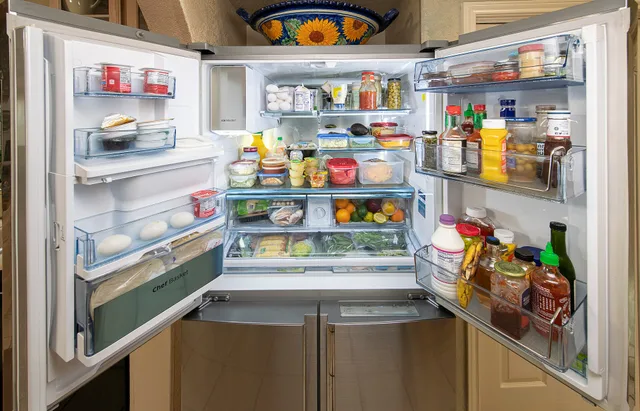
- Mop sink, grease container, and covered waste bins.
- Toilet room with a self-closing door and a handwash sink.
- Light shields, smooth cleanable floors and walls, and sealed exterior doors.
Classify the operation accurately
Confirm whether each activity is retail food service, a retail food store, manufacturing, wholesale, or catering. Also check mobile vending, home production, and another regulated model.
Classification decides the permit, the inspection standard, the fee, and the agency that issues the licence.
- Retail food servicefood prepared and served to the customer, at the kitchen or at an event. The health department permits it.
- Catering from a licensed commissaryusually the same permit class, plus an approval for the vehicles and the off-site service.
- Manufacturing or processing: packaged food made for resale. The state agriculture or food safety agency permits it.
- Wholesaleselling to shops, hotels, or other businesses instead of to the guest. It needs the processing or wholesale licence.
- Home productiononly where a cottage food rule exists, with low-risk foods and a sales cap.
Ask the health department to state the classification in writing at plan review. If the answer changes later, the fee and the inspection list change with it. Avoid adding wholesale or delivery without reopening the classification.
Maintain food-safety controls
Use local rules for approved sources, receiving, storage, employee health, and hygiene. Add time and temperature, contamination prevention, cleaning, pests, and corrective action.
The enforceable version is the code your state or local agency adopted, not the FDA model itself.
Manage allergens and labels
Verify ingredient statements, subingredients, major allergens, supplier changes, and cross-contact controls. Check package labels, written notifications, nutrition duties, claims, and responsible review.
A common mistake is assuming a supplier label can be copied without checking the final menu item or service.
Protect workers around equipment
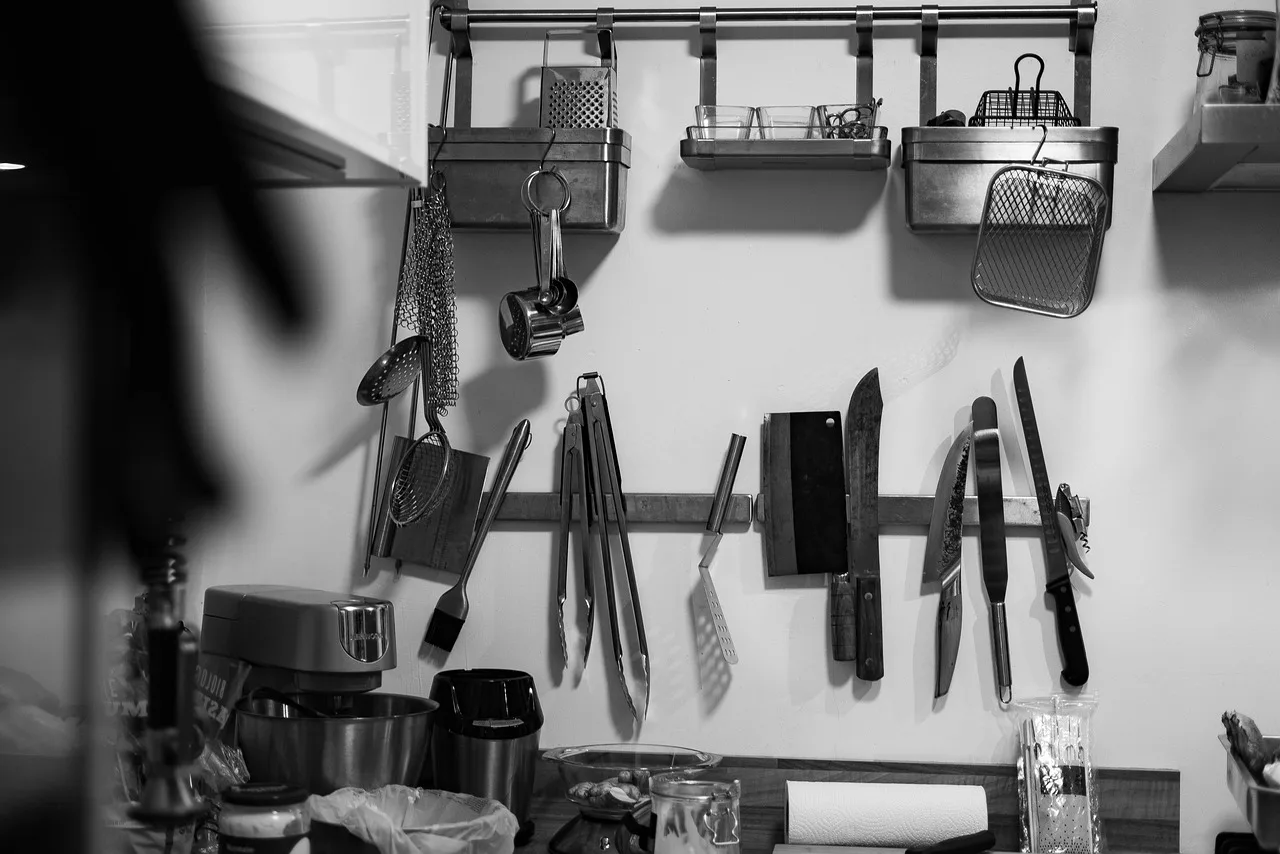
Address mixers, slicers, ovens, hot boxes, and burners. Cover knives, electricity, vehicles, lifting, and cleaning. Include guarding, lockout, slips, repetitive work, and emergency response.
The practical risk is bypassing a guard or cleaning powered equipment to save time.
Apply youth-employment limits
Check federal, state, and local age restrictions before assigning mixers, slicers, ovens, compactors, and motor vehicles. Add other restricted equipment, driving, late hours, or other hazardous work.
Avoid assuming supervision makes prohibited machinery work lawful.
Keep inspection-ready records
Organize permits, inspections, training, employee health procedures, and supplier documents. Add recipes and event specifications, labels, cleaning, and temperature records. Add process records and pest service. Include incidents, complaints, and corrective actions.
Watch for creating documents after an inspection or illness report.
Review when menu items and services or channels change
Reopen compliance analysis for a new facility, recipe, process, allergen, and package. Add a claim, wholesale account, delivery method, market, and event. Add a piece of equipment or jurisdiction.
A common mistake is treating approval for the original menu as approval for everything later. Each change goes back to a specific agency. A new kitchen goes to the health department for plan review. Packaged wholesale goes to the state agriculture or food safety agency. Alcohol service goes to the ABC board.
Research that sets the boundaries
The four sources below are the ones to read first. Each is a starting point, not a local rule.
| Source | What it covers | How to use it |
|---|---|---|
| U.S. Food and Drug Administration: FDA Food Code 2022 | Model food safety code for retail and food service. It covers catering operations, transportation vehicles, central preparation facilities, and mobile, temporary, or permanent locations. | A starting point. The enforceable rule is the version your state or local agency adopts. |
| U.S. Food and Drug Administration: State Retail and Food Service Codes and Regulations | A state-by-state directory of retail food agencies and codes. | Use it to find which agency issues your food permit. |
| U.S. Food and Drug Administration: Questions and Answers Regarding Food Allergens | Federal allergen labeling duties for packaged foods, allergen controls in covered facilities, and the line between packaged retail food and food wrapped to a customer's order. | Applies to packaged products, not to every menu item. |
| Occupational Safety and Health Administration: Young Worker Safety in Restaurants: Food Preparation | Hazards with mixers and kitchen equipment, machine guarding, cuts, slips, burns, lifting, and repetitive motion. It also covers training, manufacturer instructions, and age restrictions. | Use it for guards, training, and minor-employee limits. |
Each source is a starting point, not a substitute for the agency, insurer, credentialing body, or qualified adviser responsible for the exact rule.
Thirty days to running
Thirty Days to Running
- Week 1List licenses, permits, and open questions
- Week 2Test one measurable change with a limited group
- Week 3Correct workflow, update standard, train roles
- Week 4Compare results, record risks, set review date
Closing review
The useful outcome of "Catering licensing and compliance guide for 2027" is not a longer policy. It is a team that can explain the decision, follow the workflow, find the evidence, and see when a review is due.
Common questions
Who should own this work?
A business owner can sponsor the decisions, but daily ownership should sit with the person who controls the relevant workflow and data. Technical or regulated decisions stay with qualified leadership. Finance, staffing, marketing, and compliance tasks can have separate owners who meet on a defined schedule.
How often should the business review it?
Review the renewal calendar monthly while the process is new, then move to a stable schedule once the dates and responsibilities are reliable. Reopen the decision when services, staffing, equipment, and vendors change. Also reopen it when ownership, regulation, or the market changes.
Which numbers matter most?
Use the smallest set of numbers that can change an action. That may include demand, capacity, cycle time, labor use, and contribution. Add cash, errors, complaints, follow-up completion, or retention. Write the formula and data source before comparing periods.
What should a new owner avoid?
Avoid copying another operation's price, software stack, menu formats, or staffing ratio without understanding its customer mix and constraints. A general article also cannot replace jurisdiction-specific technical, employment, tax, or legal advice.
Document control matters for catering licensing requirements. Put an effective date on the working standard, identify the approved version, and keep superseded copies out of daily use.
Staff should know where to find the current process and how to report a conflict between the written rule and real work.