Guides
How US caterers handle food permits and liquor licenses in eight states
A guide to food service permit agencies, alcohol catering license classes and renewal steps for US caterers in eight states, plus typical fees and multi-state rules.
What to take away
- A US caterer needs two approvalsa food service permit from a health agency and an alcohol license from a state liquor board, often plus a county license.
- Food permit fees track risk category, menu, seating and square footage. Typical annual fees run about $200 to $1,500 in the eight states below.
- Alcohol licenses are class based, typically $300 to $4,000 a year. Single event authorizations usually cost $25 to $200.
- Renewals are annual and open about 30 to 60 days before expiry. A lapsed permit often needs a fresh application.
- No state accepts another state's liquor license for a booked event.
The two permit tracks and their regulators
Every US caterer answers to two regulators that never coordinate. Health agencies control food safety. Liquor boards control alcohol. Fees, inspections and renewal dates differ on each track.
A food service permit attaches to the place where food is stored and prepared: your commissary, prep kitchen or mobile unit. Handling food at a venue usually needs a temporary permit for that site.
An alcohol license attaches to the business, not to a kitchen. It covers wholesale buying, transport and service. The class decides what you may pour.
[figure 1]
Food vs Alcohol Permit Tracks
Food service permit
- Regulator
- State health dept
- Attaches to
- Kitchen or unit
- Covers
- Food prep
- Event site
- Temporary permit
- Authorizes alcohol
- No
- Authorizes food prep
- Yes
Alcohol catering license
- Regulator
- State liquor board
- Attaches to
- The caterer
- Covers
- Buy, transport, serve
- Event site
- License covers event
- Authorizes alcohol
- Yes
- Authorizes food prep
- No
State and county food rules build on the FDA Food Code, adopted with local edits. That model sets the temperature and inspection standards which become permit conditions, at FDA Food Code 2022. The documents that sit beside these two permits are listed in what licenses a catering business needs.
Food service permit agencies and fee drivers
Food service permit agencies
| State | Issuing agency | Fee driver | Typical annual fee |
|---|---|---|---|
| California | County environmental health departments | Facility type, square footage, risk category | $250 to $1,500 |
| Texas | City and county health departments | Risk category, menu, units | $200 to $800 |
| New York | County health departments; NYC has its own | Menu, seating, risk category | $250 to $1,200 |
| Florida | DBPR, Division of Hotels and Restaurants | Seating, service type, units | $200 to $700 |
| Illinois | Local health departments certified by the state | Risk category, menu, seating | $200 to $1,000 |
| Nevada | Southern Nevada Health District; Washoe County Health District | Risk category, facility type | $300 to $1,200 |
| Georgia | County boards of health | Risk category, menu, seating | $200 to $700 |
| Washington | Local health jurisdictions | Risk category, menu, seating | $400 to $1,500 |
Those bands are typical ranges taken from published county schedules, and counties revise them. Confirm the current figure before quoting a client.
Two questions set the real number. Is the fee charged per facility or per unit? Does the venue need its own temporary permit?
What food permits cost and when they renew
Renewal follows one order, with state specific traps.
What food permits cost
- Read the renewal window printed on the permit. Most counties open it 30 to 60 days before the expiry date.
- File with the issuing agency and pay the current fee. California counties and Florida add a penalty once a permit lapses.
- Show a manager certificate the state accepts. Illinois and New York City require their own.
- Pass the renewal inspection where the county asks for one.
- Post the permit at the commissary and carry a copy to each event site.
Counties that price by square footage often re-measure at renewal, so adding a walk-in cooler changes the fee.
Alcohol catering licenses: regulators, classes and fees
Fees rise with license class and county population tiers. The published rates behind California, Texas and Nevada liquor license costs are a fast way to size a first market.
Alcohol catering licenses
| State | Regulator | Catering authorization | Typical annual fee |
|---|---|---|---|
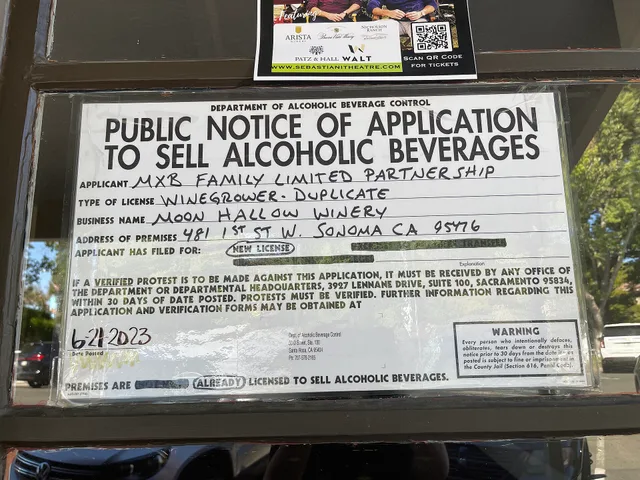
| California | Department of Alcoholic Beverage Control | Caterer's permit tied to an on-sale license, plus Event Permits | $500 to $2,000, plus a per-event fee |
| Texas | Texas Alcoholic Beverage Commission | Caterer's Permit, plus Temporary Event permits | $300 to $600, plus per-event fees |
| New York | State Liquor Authority | Caterer's License | $1,000 to $4,400 by county population tier |
| Florida | Division of Alcoholic Beverages and Tobacco | Caterer's License | $400 to $1,800 by license series |
| Illinois | Liquor Control Commission plus the local liquor commissioner | Caterer's License with local endorsement | $500 to $2,000, plus a municipal fee |
| Nevada | Department of Taxation plus the county | County catering liquor license | $500 to $2,500 by population tier |
| Georgia | Department of Revenue Alcohol and Tobacco Division plus the county | State caterer's license plus county license | $400 to $2,000 combined |
| Washington | Liquor and Cannabis Board | Caterer's endorsement, plus Banquet Permits | $200 to $1,000, plus a small per-event fee |
Those figures are typical ranges, and a quota license bought on the open market can reach six figures. Background checks, insurance proof and wholesaler only buying apply in most states.
California publishes its classes and fee schedule, which makes it the simplest state to study at License Types | Alcoholic Beverage Control.
Certifications layered on the permits
- Certified food protection managerone on duty during prep and service, from an accredited exam, valid about five years.
- Food handler cardsseparate from the manager card, and many states want one per employee.
- Alcohol server training: state specific, and the card usually stays in the issuing state.
- Illinois and New York City manager certificatesthe clear exceptions to manager card portability.
An accredited manager card is the credential most likely to travel, since accredited exams are accepted in most states. Server permits rarely follow you. Card prices are compared in food safety certification costs across top event states.
Example: an Illinois caterer booking an Indiana wedding
An Illinois caterer near Chicago books a 150 guest wedding in northwest Indiana. The Illinois permit covers the commissary, not the Indiana venue.
Illinois caterer Indiana wedding
- Indiana temporary food permit for the venue
- $50 to $200
- Alcohol served through an Indiana licensed retailer or caterer
- $100 to $500
- Indiana server permits for assigned staff
- $20 to $50 each
- Extra prep and travel day
- charged at normal labor rates
Permits and training alone usually add $400 to $1,200 to this booking, or roughly $3 to $8 per guest across 150 covers.
[figure 6]
New State Booking Checklist
- Confirm food service permit and fee
- Confirm alcohol permit class and fee
- Confirm certification requirements
- Add costs to quote before signing
- Track renewal dates and responsible person
Folding permit costs into the event quote
Annual permits are a fixed cost, so divide them by the events you expect to bill. A caterer paying $1,600 a year in food and alcohol permits across 40 events carries $40 per event.
Add per-event permits, server cards and travel, then spread the total across the guest count.
Label a compulsory surcharge correctly. A mandatory service charge is not a tip, and the tax treatment differs, as the IRS explains at Tips and service charges | IRS.
Worked quote fields, including where permit cost belongs, are shown in a catering quote template with pricing examples.